Labor Only Movers: A Role of Movers in Commercial Moves
Movers For Seniors: Specialist Moving Experts Can Help Make Your Shift Smooth And Stress-Free
History and Development of Moving Providers
The Dawn of Moving: From Muscle to Machines
Picture this: a handful of strong men transporting heavy trunks on wood carts, browsing cobblestone streets with sweat and decision. Before the contemporary moving industry took shape, moving was a harsh, labor-intensive task. In ancient times, moving frequently indicated depending on sheer physical strength and fundamental tools. The lack of specialized services meant households and merchants needed to collaborate every detail themselves, often running the risk of damage or loss.
However isn't it interesting how need fuels development? As cities broadened and commerce thrived, the need for effective, dependable moving options became glaringly obvious. Get in the period of horse-drawn wagons and later on, motorized lorries, which changed how belongings traveled from one place to another.
Industrial Revolution: The Driver for Modification
The 19th century's commercial boom reshaped numerous elements of life, including how people moved. Suddenly, city migration surged, and with it, the need for expert movers skyrocketed. No longer was moving a basic chore; it progressed into a specialized service offering:
- Packaging knowledge to secure vulnerable products
- Organized packing techniques taking full advantage of space
- Transport options tailored to different distances
This period marked the birth of business devoted entirely to moving, preparing for today's complex logistics and customer-centric methods.
Technological Improvements and Their Impact
Can you picture moving without modern devices? The introduction of hydraulic lifts, forklifts, and pallet jacks transformed the market over night. Suddenly, movers could deal with bulky furniture and heavy appliances with ease, minimizing injuries and enhancing effectiveness.
The integration of digital technology triggered a new wave of innovation. GPS tracking, online reservation platforms, and real-time inventory management have actually ended up being staples in the moving services landscape. These tools not just boost openness but likewise empower consumers to remain connected and notified throughout their moving journey.
Key Milestones in Moving Solutions Advancement
| Age | Development | Significance |
|---|---|---|
| Ancient Times | Manual labor and basic carts | Foundation of moving as a necessity |
| 19th Century | Horse-drawn wagons and packaging services | Birth of professional moving companies |
| 20th Century | Motorized trucks and mechanized devices | Increased performance and scale |
| 21st Century | Digital combination and GPS technology | Boosted customer experience and logistics |
Reflections on the Journey
Assessing the advancement of movers, one might wonder: how did a simple act of carrying personal belongings end up being an advanced industry? It's a tale of resilience, adjustment, and constant enhancement. From the sweat-soaked streets of old to the precision-driven operations these days, the history of moving services is as vibrant as the individuals who count on them.
Next time you pack a box or employ a mover, consider the layers of history embedded in every step. The journey of movers encapsulates human ingenuity, transforming what was as soon as a challenging job into a smooth experience.
Exploring the Spectrum of Moving Solutions
When the time concerns move your life from one address to another, the series of moving services readily available can seem like browsing a labyrinth. Do you require an easy loading and unloading crew, or does your move demand the finesse of full packaging and unpacking? Comprehending the nuances can save hours of disappointment and unforeseen costs.
Common Types of Moving Services
- Regional Moves: Designed for movings within a city or city, these services generally run on a hourly basis, best for short distances.
- Long-Distance Relocations: Covering moves beyond 100 miles, these require more coordination, from logistical preparation to secure transportation, frequently priced by weight and distance.
- Full-Service Relocations: Movers deal with everything-- packaging, filling, transferring, unloading, and in some cases even unpacking. Perfect for those pressed for time or energy.
- Self-Service Moves: You pack and pack your possessions, while the company manages transport and discharging. A middle ground offering cost savings and some convenience.
- Specialty Moves: For delicate, bulky, or valuable products like pianos, antiques, or artwork, requiring specialized equipment and know-how.
Specialist Tips to Browse Your Moving Service Choices
- Prioritize Versatility: Pick a service that adapts to unforeseen delays or last-minute modifications-- rigid schedules can turn a smooth relocation into a logistical nightmare.
- Examine Insurance Coverage Options: Not all moving business offer the very same level of protection. Comprehending your protection can prevent heartache if something goes awry.
- Request Comprehensive Stocks: An accurate product list prevents disagreements and ensures responsibility, particularly when dealing with long-distance or specialty relocations.
- Consider Time of Year: Seasonal demand can affect accessibility and pricing. Early reserving throughout off-peak seasons might approve better service and versatility.
- Ask About Packaging Materials: Premium boxes, bubble wrap, and cushioning can be the difference between a scratched treasure and a beautiful arrival.
Table: Service Features Compared
| Service Type | Who Packs? | Transportation Mode | Typical Pricing Model | Suitable For |
|---|---|---|---|---|
| Local Move | Consumer or Movers | Truck | Per hour | Short ranges, little loads |
| Long-Distance Move | Movers | Truck or Container | Weight & & Range | Cross-state or regional moving |
| Full-Service Move | Movers | Truck | Flat or Weight-Based | Time-sensitive, high-stress moves |
| Self-Service Move | Customer | Truck or Container | Flat or Per hour | Cost-conscious, hands-on movers |
| Specialized Move | Movers with know-how | Specialized Equipment | Custom Quote | Vulnerable or important products |
The Unseen Complexity Behind Each Option
Have you ever wondered why moving seems effortless on tv however turns into a cascade of last-minute choices in real life? The fact depends on the intricacies of each service type. For example, full-service moves might look like a luxury, however the competence included in packaging delicate treasures or disassembling large furniture is a craft honed over years. Opting for a self-service move might save money, but it requires an eager understanding of how to pack effectively-- did you understand that stacking strangely shaped boxes improperly can trigger internal shifting during transit, damaging fragile contents?
Picking the best kind of moving service is not simply about benefit-- it has to do with securing your memories and investments. What's your move's story going to be?

Packing and Moving Strategies
Ever tried to fit a luggage that simply will not close? That's the type of puzzle expert movers solve daily-- but on a much bigger scale. The secret lies not in brute force however in tactical positioning and smart usage of area. Packaging isn't merely about stuffing products into boxes; it's an art form where every inch counts.
Layering for Success
Envision a painter layering colors to develop depth. Likewise, when packaging, begin with heavier items at the bottom, then cushion with softer products like bubble wrap or towels. This prevents damage and maximizes box stability. Unusually formed products can slip into gaps, decreasing lost area.
- Wrap fragile products separately with tissue or foam to avoid scratches.
- Use clothes as cushioning-- it's both efficient and environmentally friendly.
- Fill voids with packaging peanuts or crumpled paper to minimize motion.
Identifying: The Unsung Hero
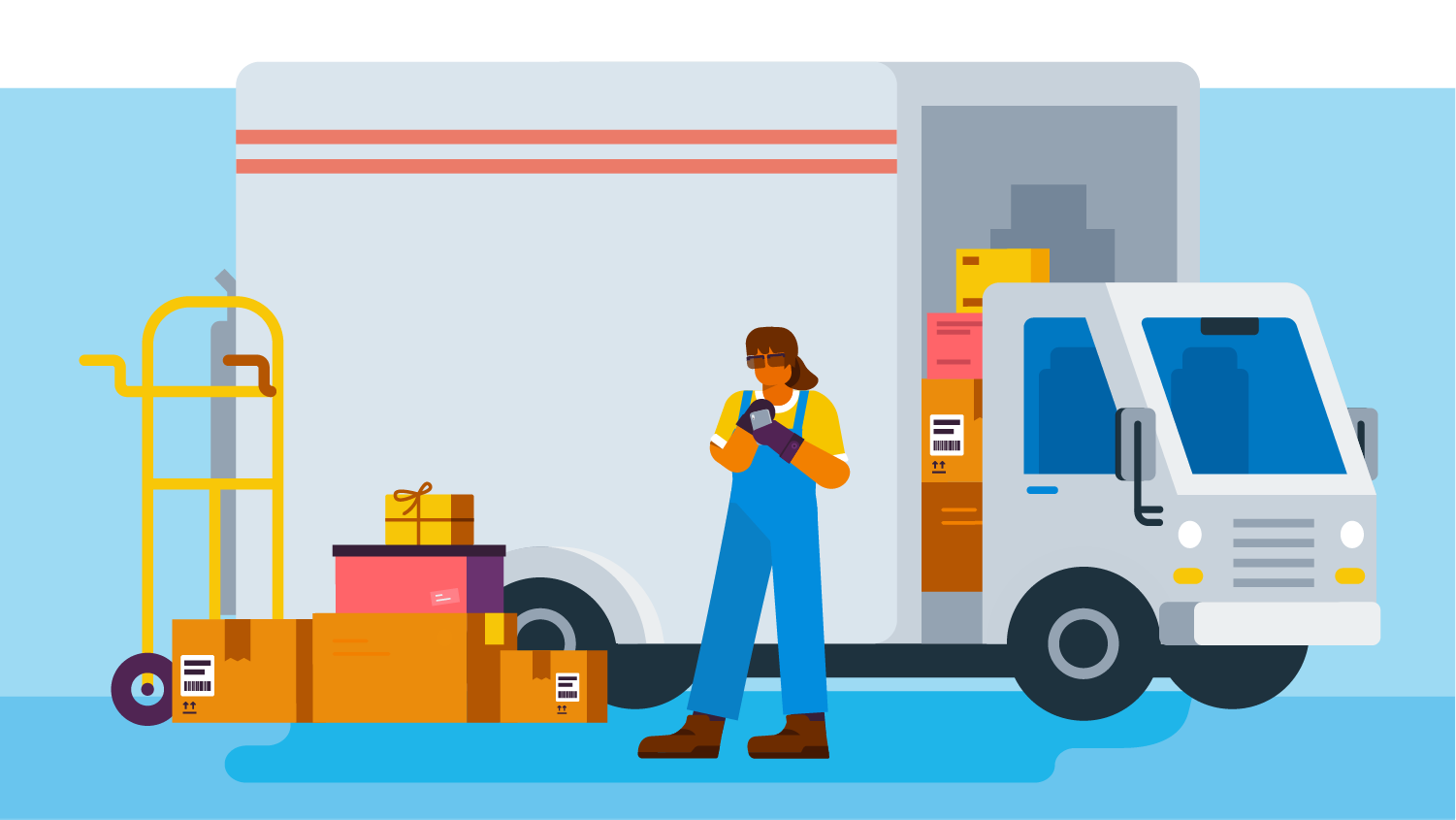
What good is ideal packaging if you invest hours rummaging through boxes? Comprehensive labeling is a game-changer. Rather of vague tags like "Kitchen area," try this technique:
| Label | Description | Concern |
|---|---|---|
| Fragile - Glass wares | Manage with care, includes fragile products | High |
| Essentials - Opening Night | Products required immediately after moving | Immediate |
| Books - Research Study Room | Stacked, heavy books | Medium |
Strategic Packing Tips
- Take apart large furniture and keep screws in identified bags taped to the pieces.
- Usage uniform box sizes when possible-- stacking becomes much easier and more secure.
- Don't overpack boxes; weight limitations exist for a reason. Objective for 40-50 pounds max.
- Wrap furnishings edges with moving blankets to prevent scratches throughout transit.
- Seal boxes with premium packaging tape-- double layers on the bottom are essential.
Why do some movers swear by a color-coded system? Due to the fact that it removes guesswork on moving day. Appoint each space a color and mark boxes accordingly. This little action can save hours when discharging and unpacking.
Packing and moving need precision-- like a chess game where every relocation counts. Have you ever noticed how some movers manage bulky products easily? They leverage angles and pivot indicate navigate tight corners without damage. It's not muscle; it's strategy.
Unseen Struggles Behind the Moving Van Doors
Ever seen a group of expert movers bring a grand piano through a narrow doorway and questioned how they pull it off without a scratch? The art of moving isn't just muscle and trucks; it's a fragile dance with unpredictability. Weather can flip from a sunlit true blessing to a torrential threat in minutes, turning a simple drive into a logistical maze.
One notorious obstacle is the labyrinthine design of some homes or houses. Staircases too tight for dollies, doorways narrower than standard boxes, or elevators that barely fit a couch-- these physical peculiarities require innovative options on the spot. Movers frequently turn to non-traditional strategies like dismantling furniture or utilizing personalized padding to secure both the item and the property.
Accuracy Packing: More Than Just Wrapping
It's tempting to believe packing is simply stuffing boxes, however the reality is an intricate puzzle of weight distribution and fragility. Movers need to prepare for how products will move throughout transit-- a miscalculation can imply shattered treasures or dinged up devices. The ace in the hole? Strategic layering and utilizing materials with particular shock-absorbing qualities.
- Bubble wrap is standard, however alternating it with foam sheets can dramatically lower impact damage.
- Heavy products go at the bottom; fragile ones nestle on top, cushioned by soft textiles.
- Identifying boxes not simply by contents but by managing directions guarantees quicker, safer unloading.
Another less talked about strain is the psychological toll. The clock ticks relentlessly, and every delay ripples through tight schedules. Remaining calm amid disorderly last-minute modifications click here requires imagination and team synergy.
Traffic Congestion and Timing: The Undetectable Opponents
| Challenge | Specialist Technique | Impact |
|---|---|---|
| Urban blockage | Path optimization apps and versatile scheduling | Minimizes hold-ups and fuel usage |
| Parking limitations | Pre-arranged authorizations or strategic parking close by | Avoids fines and time loss |
| Unforeseeable weather | Waterproof coverings and contingency strategies | Maintains the condition of products and devices |
Do you actually understand what it takes to keep a moving day on track? It's not almost strength or stamina; it has to do with insight, adaptability, and a deep understanding of every piece of the puzzle. The next time you see movers at work, remember: behind that seamless operation lies a series of calculated maneuvers and quick thinking that couple of ever notice.